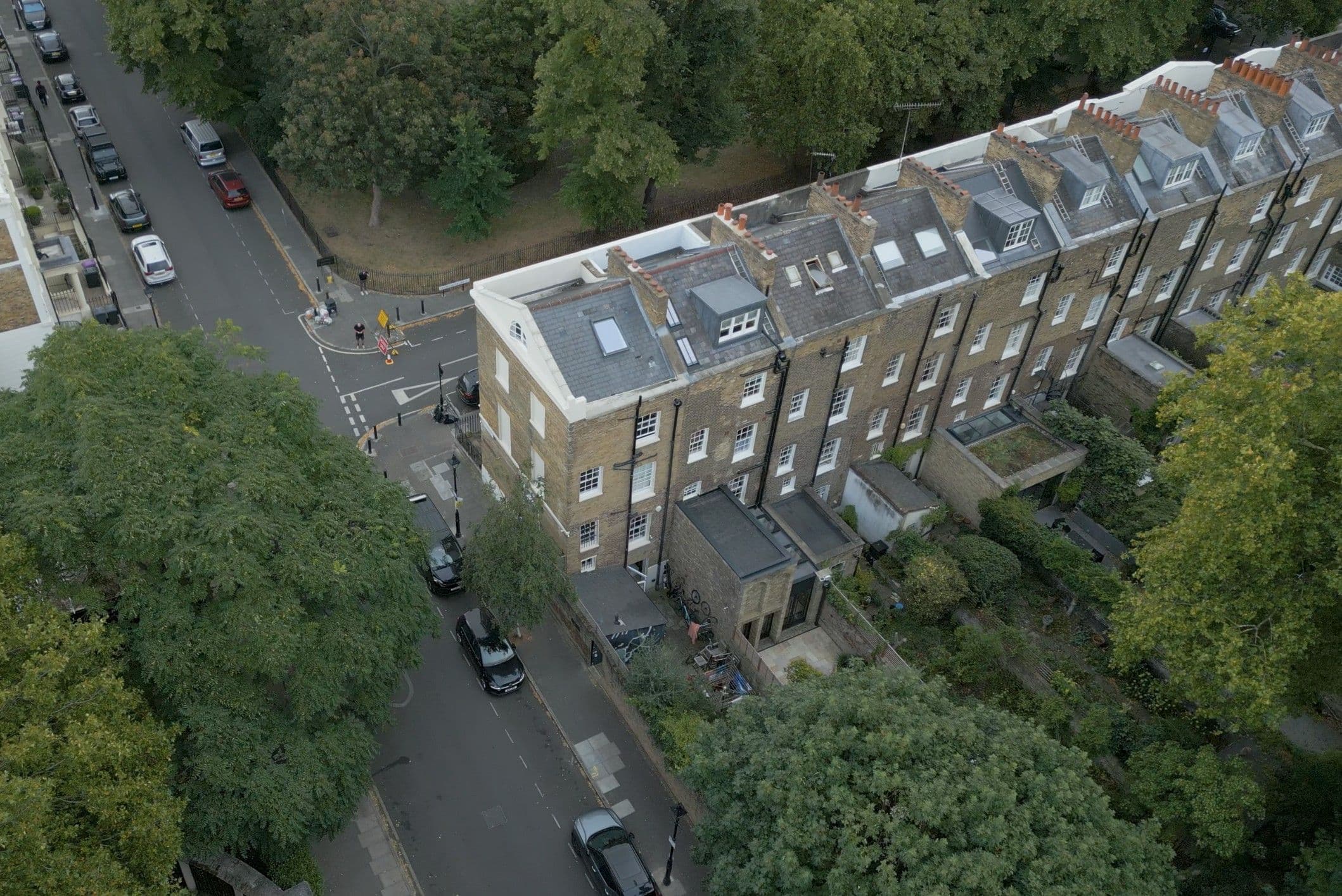
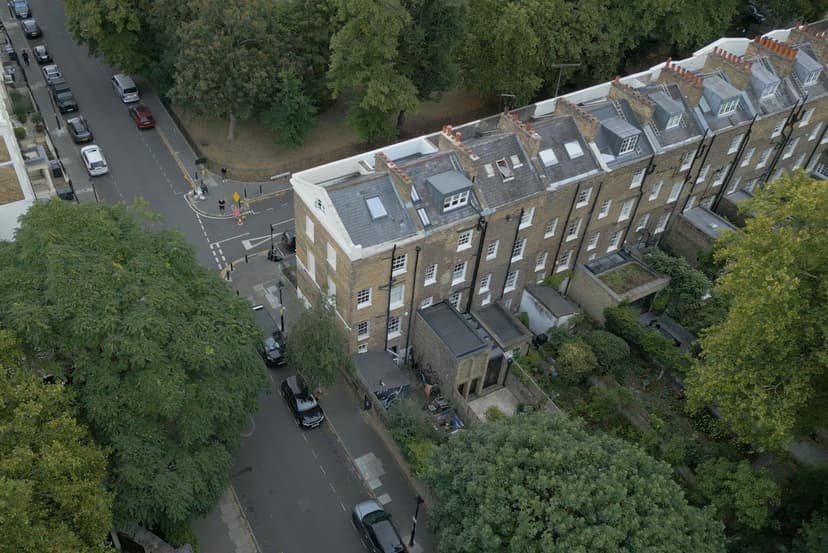

As subsidence risk in England is projected to rise sharply in coming years, ground engineering specialist Mainmark UK is warning of the escalated threat to listed properties.
More than 7.65 million properties in Great Britain could be exposed to a medium or high risk of soil subsidence by the 2080s.[1] There are over 401,000 heritage properties across England and listed buildings (covering houses, farm buildings, churches, bridges and industrial structures), which face a considerably higher risk of ground movement, account for roughly 379,443 of these.[2]
Freya Chapman, Residential Lead at Mainmark UK explains that subsidence, where the ground beneath a property sinks, has far more serious and costly consequences for listed buildings. While modern structures can often tolerate or be repaired after ground movement, listed properties, many of which date from before the 1800s, suffer significantly greater damage.
Freya said: “Listed buildings in England often have fragile structures but face the most challenging ground conditions.
“England’s high shrink–swell prone clay geology creates problematic ground conditions for shallow foundations, a common feature of listed buildings, which often predate modern foundation design. These shallow foundations, in combination with mature trees, whose root systems can significantly influence soil moisture, can have a pronounced impact on historic buildings. That said, listed buildings are not necessarily more likely than other buildings to experience ground movement, as the causes of subsidence remain the same: soil type, moisture variation, trees and drainage; however, when movement does occur, the damage is often more severe, more visible and harder to resolve.
“Small amounts of movement, which may be tolerable in modern buildings, can cause structural cracking in the solid masonry of listed buildings. Newer properties, typically constructed from the mid-20th century onwards, have flexible steel, reinforced concrete or engineered timber frames, articulated joints and cavity walls that accommodate ground movement by flexing rather than cracking.
“The walls of listed buildings are often made of rigid brick or stone with no cavity or supporting frame, so any movement can cause cracking.”
Due to this fragility, ground engineers often treat these buildings as special cases, balancing physical constraints with heritage protection and the risk of causing further damage when fixing structural issues.
Freya continues: “Because of the age of the properties, traditional subsidence solutions can often cause more damage than the ground movement itself. Methods like underpinning, which are used underground to force a building to stop moving, can cause masonry to crack, disturb centuries-old soil that has been supporting the property and often trigger new settlement.
Instead, ground engineers identify the causes of movement, such as soil type, drainage, moisture, or tree roots, and monitor cracks and settlement. They implement careful, low-impact solutions that protect the building’s historic fabric, such as improved drainage, vegetation management, grouting, or limited resin injections over time. Property owners support this process by learning how to monitor for ground movement and understanding when and how to take action.
Freya continues: “Building owners can take an active role in protecting their listed buildings by watching for early signs of movement, such as cracks, uneven floors, or sticking doors and windows. It’s also important to maintain proper drainage and manage nearby trees or vegetation that could affect the soil. By reporting these observations and working closely with ground engineers, following their guidance on repairs and materials, owners can help ensure that any interventions are effective, safe, and preserve the building’s historic character.”
Mainmark UK has provided grounded improvement solutions for a number of projects over the years, including a Grade II listed building in Bristol, which was being refurbished into a new living accommodation. The property had previously shown signs of subsidence and so required the foundations to be underpinned to support the additional load that would be placed onto them during the construction of the apartments.
Due to the sandy and gravel-made ground conditions and the limited site access, traditional underpinning was an impractical choice. Instead Mainmark’s proprietary resin injection solution, Teretek®, was the most suitable method to provide the ground improvement and strengthen the treated soils enough to safely accommodate added pressures on the building’s foundations. Teretek® is a non-invasive resin injection solution that can both strengthen ground bearing capacity and also re-level structures, in a process that is likened to keyhole surgery.
To drive further recognition in this area Mainmark UK is bringing its knowledge to The Listed Property Show on the 30th and 31st of January at Olympia, London, which brings together over 150 of the country’s leading suppliers and tradesmen for listed buildings work.
The showcase includes a packed programme of informative talks over the two days, covering topics such as damp control, planning and listed building consent, home history, maintenance and energy efficiency, as well as practical demonstrations and opportunities for one-to-one consultations with experts.
Mainmark UK’s team of advisors will showcase the company’s expertise, discuss practical solutions, and support visitors dealing with subsidence whether they are maintaining, altering or renovating a listed property.
Mainmark Ground Engineering (UK) Ltd is a subsidiary of the Mainmark group of companies, established in 2016. The company, located in Milton Keynes, has over three decades of experience and has established itself as a pioneering force in the industry, leading the way in developing and delivering cutting-edge solutions. Mainmark has earned international recognition as an award-winning ground engineering organisation.