
In busy warehouse, logistics and fulfilment environments, packing is often one of the final steps before an order leaves the operation. By this point, most of the hard work has already happened. Products have been picked, moved, checked and prepared for dispatch.
But when the packing area is not set up to support the pace of the operation, it can quickly become the point where everything slows down.
When packing starts falling behind, it's easy to assume more labour is needed. In reality, the constraint is often the workstation itself. Adding more people to an inefficient packing environment rarely solves the underlying problem. Packing doesn't usually slow down because people aren’t working hard enough. More often, it's because the process is making their job harder than it needs to be.
The bench has a bigger impact than it may seem
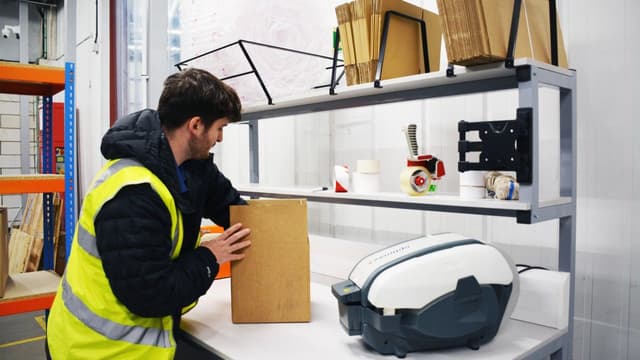
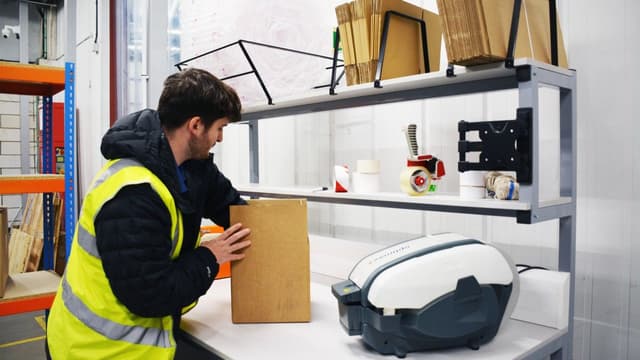
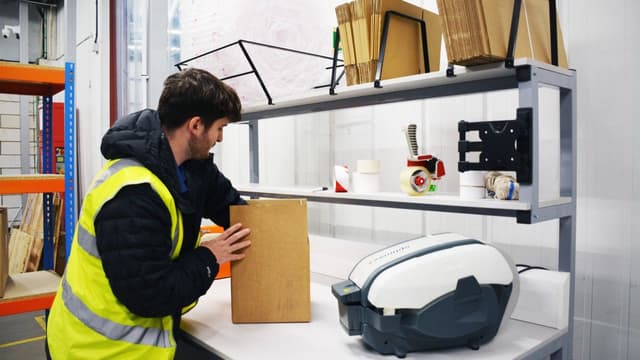
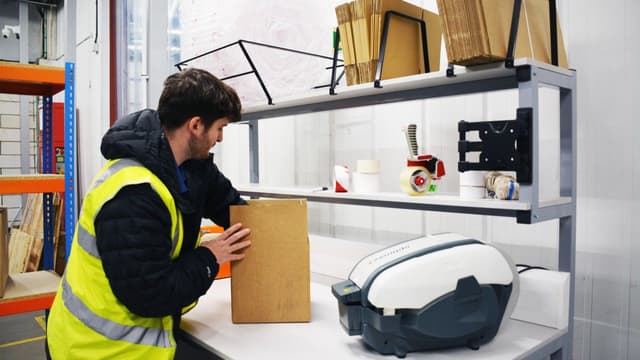
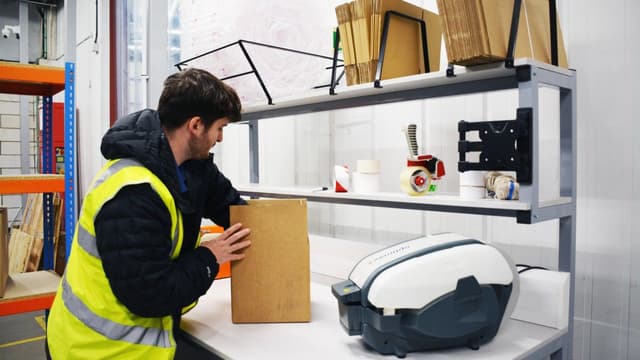
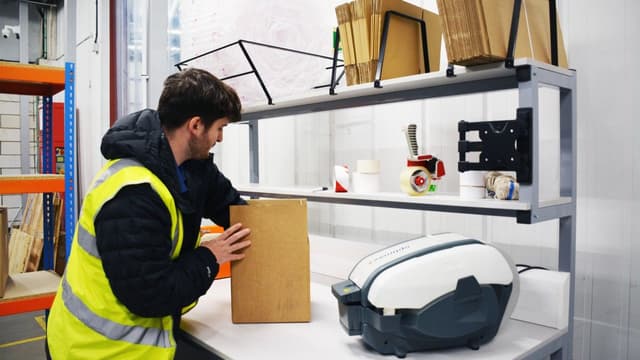
A packing bench is more than just a surface to work on. It is where materials, equipment, systems and people come together.
If the bench is not designed around the tasks being carried out, small inefficiencies can build up throughout the day. Individually, these moments may seem insignificant. Across multiple operators, shifts and thousands of orders, they become a measurable constraint on productivity and operational flow.
Common causes of packing delays
Many packing bottlenecks are linked to the way the workstation is organised. Packaging materials may not be positioned where they are needed most, while consumables such as tape, labels and document wallets may be stored away from the bench.
In some cases, the bench may not have enough space for the size or variety of orders being processed. In others, equipment such as label printers, scanners or void fill machines may be added over time without considering how they affect the operator’s workflow.
These changes rarely happen all at once. Workstations often evolve gradually as operations grow, new equipment is introduced and customer requirements change. Over time, what was once an efficient setup can become increasingly fragmented without anyone deliberately redesigning it.
Every unnecessary reach, search or extra step introduces friction into the packing process. On their own, these delays are almost invisible. Collectively they can have a significant impact on throughput, consistency and operator productivity.
Small changes can improve the whole process
A useful review starts with observation. How is the bench being used day to day? Where does work pause? Are frequently used items within easy reach? Is there enough clear space to pack efficiently? Are operators walking away from the bench more often than necessary? Is equipment positioned in a way that supports the natural flow of work?
Simple questions like these often reveal practical opportunities for improvement. This might include rethinking storage, improving access to consumables, clearing the main work area, integrating equipment more effectively or adapting the bench layout to the type of orders being packed.
Rather than making wholesale changes, small improvements to workstation layout can often remove unnecessary movement and make the entire packing process feel smoother and more consistent.
Supporting operators as well as output
A well-planned packing bench does more than improve speed. It can also support a safer, more comfortable and more consistent working environment.
When operators have the right tools and materials close to hand, they can focus on the task in front of them rather than the process around it. This can help reduce avoidable movement, improve packing accuracy and make it easier to maintain standards throughout the shift, particularly during busy periods.
For operations managing changing order profiles, seasonal peaks or increasing customer expectations, these seemingly small improvements can make a meaningful difference to day-to-day performance.
Looking at the bench as part of the wider operation
Packing is often viewed as the final stage of fulfilment, but its impact reaches much further. Delays at the bench can affect labour utilisation, order cut-off times, carrier collections and ultimately the customer experience.
Packing bottlenecks are rarely caused by one issue alone. However, the bench is often a valuable place to start because it sits at the point where people, products and processes come together.
By taking a closer look at workstation layout, material availability and operator workflow, businesses can identify practical improvements that support efficiency without overcomplicating the operation.
Southgate Global works with warehouse, logistics and fulfilment teams to understand how their packing environments operate in practice. By combining operational insight with practical workstation design, it helps businesses identify improvements that support both operators and long-term operational performance.